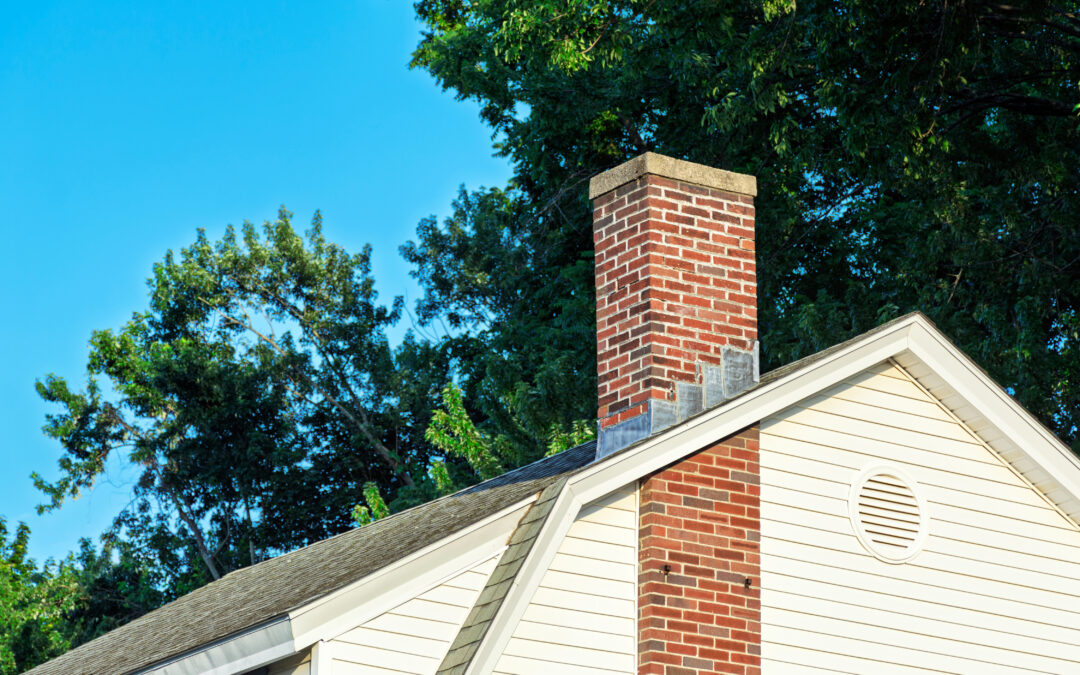
Long Island winters bring more than cold temperatures. The repeated cycle of freezing and thawing that hits towns across Nassau and Suffolk counties can quietly break down masonry chimneys over time. Many homeowners don’t notice the damage until cracks, crumbling mortar, or water stains appear inside the home. Understanding how freeze-thaw damage works and what to do about it can help you stay ahead of costly chimney repairs.
What Is Freeze-Thaw Damage? How Does It Affect Chimneys?
Freeze-thaw damage occurs when water seeps into the pores, cracks, or joints of masonry materials and then freezes. As water turns to ice, it creates internal pressure inside the brick or mortar. When temperatures rise again, the ice melts, but the small amount of damage it caused remains. As time goes on, this cycle repeats dozens or even hundreds of times throughout a single Long Island winter.
For chimneys, the consequences add up quickly. Each freeze-thaw cycle widens existing cracks and loosens mortar joints, allowing even more water to penetrate during the next round. This accelerating pattern can lead to spalling brick faces, crumbling mortar, and structural weakening that compromises the chimney from the outside in.
Since chimneys are fully exposed to rain, snow, and wind on all four sides, they tend to absorb more moisture than most other masonry structures on a home. That level of constant exposure makes them especially vulnerable to freeze-thaw cycles, particularly across Nassau and Suffolk counties where winter weather frequently fluctuates between freezing and above-freezing temperatures.
How Does Water Get Into a Chimney in the First Place?
Water can enter a chimney through several different pathways, many of which aren’t obvious from the ground. Even chimneys that appear to be in good condition may have vulnerable points where moisture gradually works its way in.
- Cracked or deteriorating chimney crown: The crown is the concrete or mortar slab that covers the top of the chimney around the flue. When it cracks, water pools and seeps directly into the masonry below.
- Damaged or missing chimney cap: Without a properly fitted cap, rain and snow fall straight into the open flue, exposing the interior to moisture.
- Failed flashing: Flashing is the metal seal where the chimney meets the roofline. When it pulls away, rusts, or is improperly installed, water runs down between the chimney and the roof.
- Porous or aging bricks: Over time, brick absorbs more moisture as its surface breaks down. Older chimneys common in towns across Long Island are especially susceptible.
- Eroded mortar joints: Gaps in the mortar between bricks create direct channels for water entry, particularly during heavy rain or wind-driven storms.
What Are the Signs of Freeze-Thaw Damage on a Chimney?
Freeze-thaw damage doesn’t always announce itself with dramatic failures. In many cases, the early signs are subtle and easy to overlook, especially when the chimney is only visible from a distance. Here are some of the most common indicators that freeze-thaw cycles may be affecting your chimney:
- Spalling bricks: When the face of a brick flakes, chips, or pops off, it’s a strong indication that internal moisture has frozen and expanded. You may notice pieces of brick on the ground near the chimney base.
- Crumbling or missing mortar: Mortar joints that appear recessed, sandy, or are falling out entirely suggest repeated freeze-thaw stress.
- Visible cracks in the masonry: Horizontal or stair-step cracks along the chimney exterior often point to moisture-related expansion.
- White staining (efflorescence): A white, powdery residue on the brick surface indicates that water is moving through the masonry and depositing mineral salts as it evaporates.
- Leaning or shifting structure: In advanced cases, enough deterioration has occurred to affect the chimney’s overall stability and alignment.
- Water stains or dampness inside the home: Interior signs like discoloration on walls or ceilings near the chimney may trace back to masonry that’s been compromised by freeze-thaw damage.
How Much Does It Cost to Repair Freeze-Thaw Damage on a Chimney?
The cost of repairing freeze-thaw damage on a chimney depends on several factors, including the extent of the deterioration, the specific components that need attention, and how accessible the chimney is. Minor repairs like repointing a few mortar joints tend cost less than rebuilding a section of the chimney or replacing a damaged crown.
For homeowners across Long Island, tuckpointing or localized mortar repair typically falls on the lower end of the cost spectrum, while partial chimney rebuilds or full crown replacements represent a larger investment. If spalling has affected a significant number of bricks, the scope of the repair, and the overall cost, increases accordingly.
As every chimney is different, the most accurate way to understand what a repair will cost is through an on-site inspection. A qualified technician can evaluate the full extent of the damage, identify all affected areas, and recommend the right course of action. At Dunrite Chimney and Stove, we provide thorough assessments so homeowners understand exactly what they’re dealing with before any work begins.
What’s the Best Way to Protect a Masonry Chimney From Freeze-Thaw Damage?
Preventing freeze-thaw damage comes down to one core principle: keeping water out of the masonry. There are several steps homeowners can take, or have a professional handle, to reduce moisture exposure and extend the life of a chimney.
- Schedule regular chimney inspections: An annual inspection can catch early signs of moisture intrusion, mortar erosion, or crown damage before they escalate into more serious and expensive repairs.
- Repair damaged mortar joints promptly: Tuckpointing deteriorating mortar joints closes off entry points for water and helps restore the structural integrity of the chimney.
- Maintain or replace the chimney crown: A solid, properly sealed crown prevents water from pooling on top of the chimney and seeping into the masonry below.
- Install a chimney cap: A well-fitted cap keeps rain, snow, and debris out of the flue while still allowing proper ventilation.
- Apply a breathable waterproofing sealant: Vapor-permeable waterproofing products allow moisture inside the brick to escape while preventing outside water from being absorbed. This is especially helpful for older chimneys common throughout Long Island neighborhoods.
- Address flashing issues: Making sure flashing is intact and properly sealed at the roofline helps prevent water from running behind the chimney and into surrounding structures.
Keep Your Chimney Ahead of Winter Weather
Freeze-thaw damage is one of the most common, and most preventable, threats to masonry chimneys across Long Island. The key is catching moisture issues early and addressing them before they compound. If your chimney is showing signs of wear or hasn’t been inspected recently, reach out to Dunrite Chimney and Stove to schedule an on-site evaluation and get a clear picture of where things stand.