
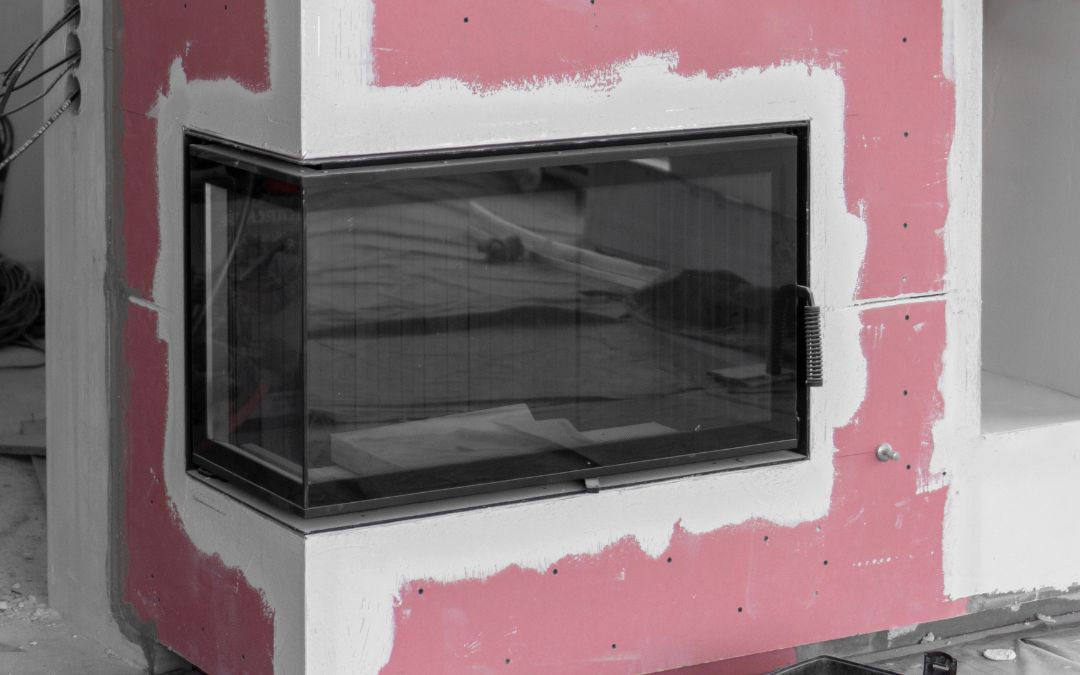
Thinking about adding a fireplace to your home? For homeowners in Centereach, Selden, Lake Grove, and communities across central Long Island, a fireplace installation is one of the most impactful upgrades you can make. But before the first tool gets picked up, most people have a lot of questions. Fortunately, most of them are easier to answer than you might think.
Can You Add a Fireplace to a Home That Doesn’t Have One?
Most homes in Centereach and nearby communities were not originally built with fireplaces, but that does not mean adding one is out of reach. Modern fireplace technology has made it possible to install a fireplace in virtually any room, regardless of whether your home has an existing chimney or masonry structure. The key is selecting the right fireplace type for your layout and your heating goals.
Common options homeowners choose include:
- Wood-burning fireplaces with a new masonry or prefabricated surround
- Gas fireplace inserts that connect to a gas line and vent through a liner
- Electric fireplaces that require no venting at all
- Pellet stoves or inserts for efficient, automated heat delivery
- Direct-vent gas fireplaces that vent horizontally through an exterior wall
Where Is the Best Place To Put a New Fireplace?
Placement depends on both practical and aesthetic factors. In most Centereach homes, the living room or family room tends to be the most natural choice, since it is the space where families spend the most time together. However, a primary bedroom, finished basement, or open-concept kitchen area can also work well depending on your floor plan.
From a structural standpoint, exterior walls are often preferred for venting purposes, but interior placements are possible with the right system. A certified installer will assess your home’s layout, ceiling height, wall construction, and clearance requirements before recommending a location. Choosing wisely from the start avoids costly modifications down the road.
Do You Need a Chimney To Install a Fireplace?
Not every fireplace installation requires a traditional chimney, and this is one of the most common misconceptions among homeowners in Centereach, Selden, and Lake Grove. The type of fireplace you choose largely determines your venting requirements. Some options vent through an existing chimney, others through a new liner, and some require no venting whatsoever.
Here is how venting breaks down by fireplace type:
- Wood-burning fireplaces require a full chimney or certified flue system
- Gas fireplace inserts typically use a flexible liner run through an existing chimney
- Direct-vent gas units vent through a small opening in an exterior wall
- Electric fireplaces need no venting of any kind
- Pellet stoves require a dedicated vent pipe that exits through a wall or roof
What Does the Fireplace Installation Process Actually Look Like?
Fireplace installation is not a one-day affair in most cases, and knowing what to expect ahead of time helps the process go smoothly. A professional installer will walk through a clear sequence of steps from consultation to final inspection. Here is a general overview of what the process looks like for most Long Island homeowners.
- Initial consultation and site assessment to determine the right unit and placement
- Permit applications, where required by local building codes
- Delivery of the fireplace unit, often directly from the showroom
- Structural preparation, including framing, wall modification, or hearth construction
- Unit installation by a certified in-house technician
- Venting or flue connection and system testing
- Final walkthrough and homeowner education on proper operation and maintenance
Does Adding a Fireplace Increase Home Value?
For homeowners in Centereach and nearby communities like Port Jefferson Station and Coram, adding a fireplace can meaningfully boost resale value. Real estate data consistently shows that homes with fireplaces sell at a premium compared to those without, particularly in markets where buyers prioritize comfort and warmth during Long Island winters.
The type of fireplace matters too: a well-designed gas or wood-burning unit with a quality surround can serve as a focal point that elevates the entire room. Beyond resale value, a fireplace can also reduce heating costs during colder months by supplementing your central heating system. When installed correctly by a certified professional, it is a long-term investment that pays off.
Ready To Add a Fireplace to Your Home?
Whether you are just beginning to explore your options or ready to move forward, Dunrite Chimney and Stove is here to help. Serving Centereach, Selden, Lake Grove, and communities throughout Nassau and Suffolk counties, our certified in-house team handles every step of the fireplace installation process, from selection to final inspection. Visit our showroom, browse 70+ units on display, or contact us today!